
Our Approach
Lattice recruits internationally, but not indiscriminately. We build recruiting lanes only in countries where we can verify educator quality, confirm English readiness for a U.S. classroom, and map a realistic path to state licensure.
We add countries only when the process stays predictable for schools, credible reference networks, documentation that holds up under credential evaluation, and a repeatable licensure path for the roles schools actually hire.
We are not limited to the countries outlined below. Romania, Kenya, and Jamaica are examples of countries where we see repeatable quality signals and documentation that supports a clean evaluation process and a high probability of both strong outcomes in the classroom and strong reciprocal exchange.

Why Romania-U.S. Exchanges?
Romania is a close ally of the United States culturally, strategically, and civically. Its educators are highly trained, globally minded, and deeply committed to their students. The country’s education system places strong emphasis on academic rigor, particularly in STEM fields, while its democratic values, English proficiency, and respect for American institutions create natural common ground.
At the same time, Romania has been largely underrepresented in many formal international education initiatives. Lattice exists to help change that—not through scale or bureaucracy, but by investing in relationships. By lifting up shared values. And by building something that lasts.

Why Kenya-U.S. Exchanges?
Kenya and the United States share longstanding educational ties, and Kenyan educators often come from training systems where English is central to instruction and professional life. Many Kenyan teachers bring strong academic rigor, clear classroom routines, and a practical, resourceful approach to teaching in real-world conditions. Teacher preparation tends to emphasize subject mastery, structured lesson planning, and assessment habits, which can translate well to U.S. classrooms when paired with local onboarding and support. Kenya has an established Special Needs Education training pipeline, anchored by the Kenya Institute of Special Education (KISE), which provides specialized training programs for teachers supporting learners with disabilities, and reinforced by Ministry of Education policy that emphasizes inclusive education and teacher preparation for learners and trainees with disabilities.
Why Jamaica-U.S. Exchanges?
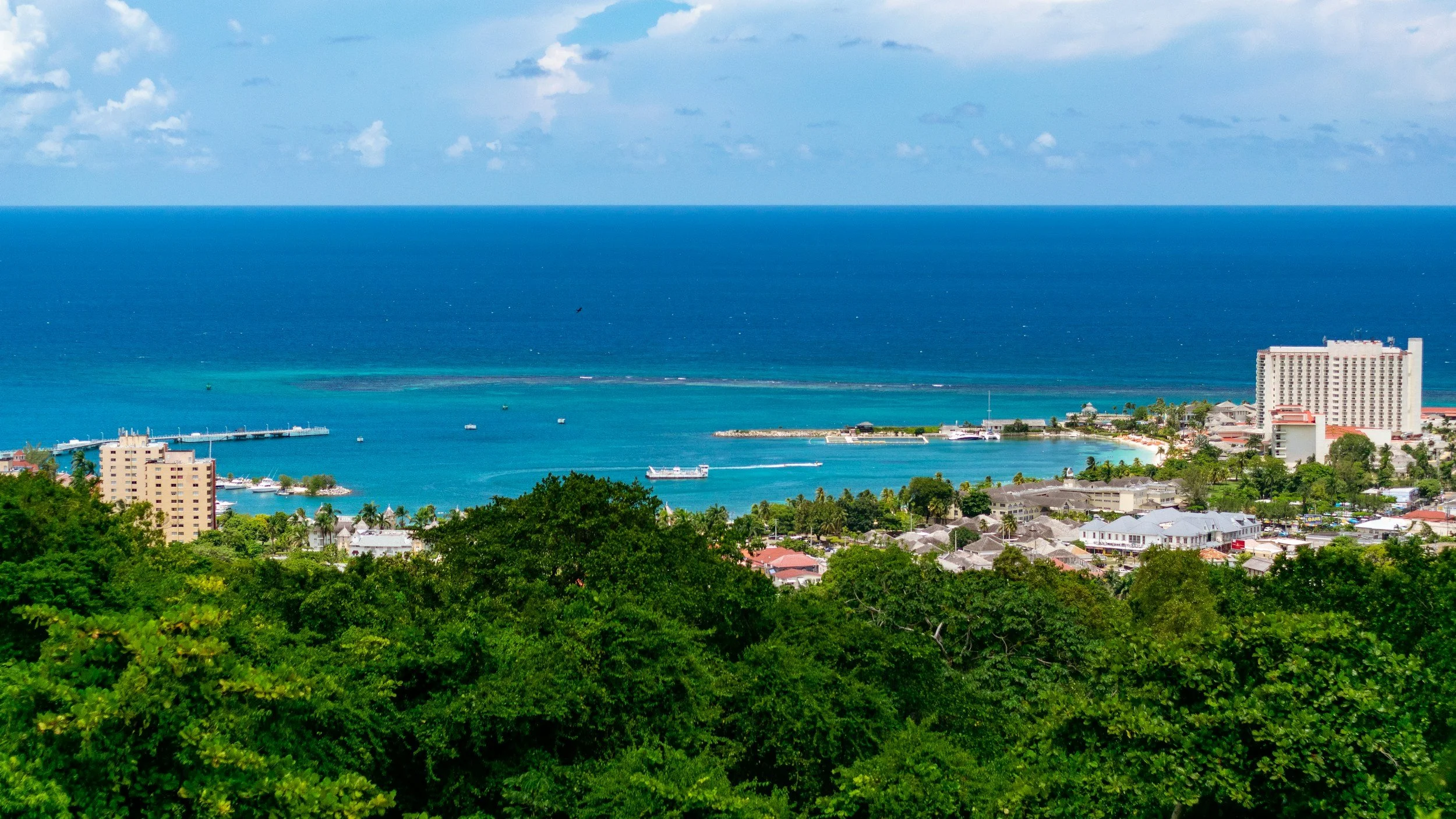
Jamaica and the United States share deep cultural, educational, and civic ties. Jamaican educators are English-speaking, well prepared, and student-centered. They bring strong classroom presence, practical problem-solving, and a commitment to character and community. Teacher training emphasizes subject mastery, literacy and numeracy, and inclusive practice, which translates well to U.S. classrooms. A wide Jamaican diaspora across the U.S. also provides natural community anchors for teachers and schools.